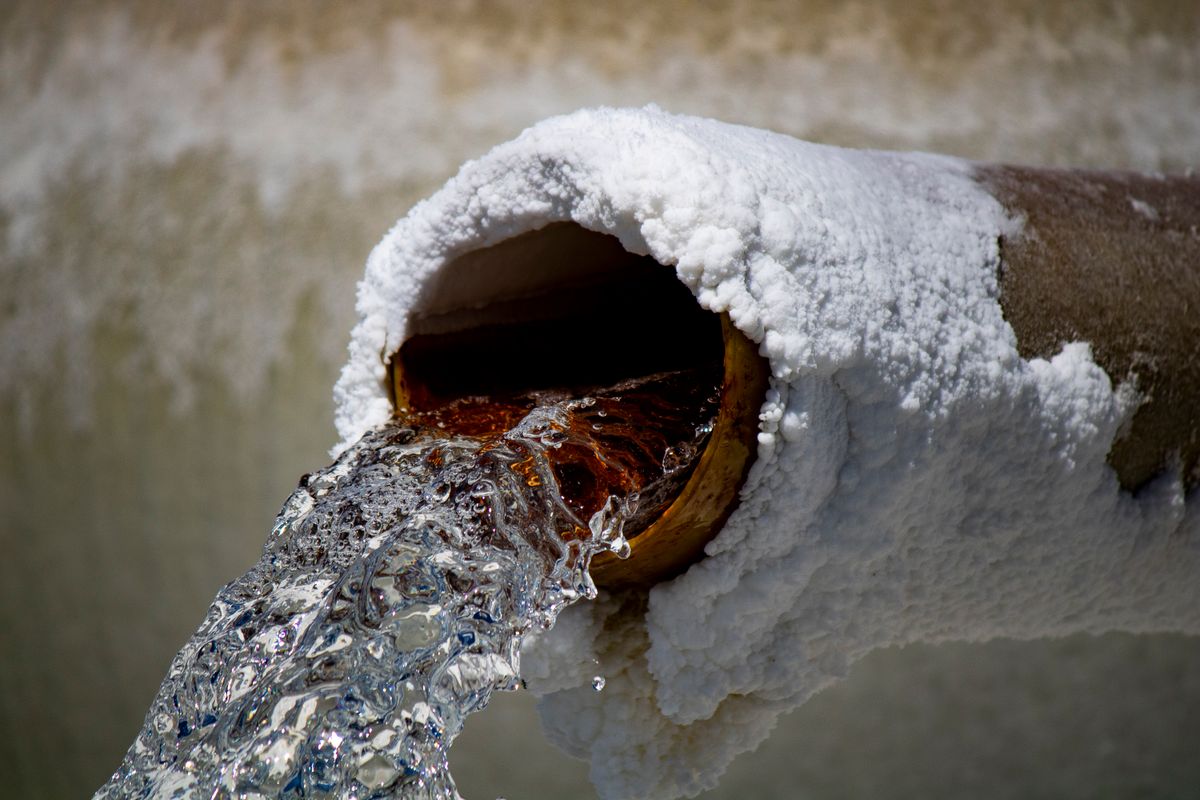
Copper pipe leak: what to know in Arizona
Hard water carries dissolved minerals. Over years they leave scale inside pipes and add to the wear on copper, particularly where flow is fast or the water is hot.
The effect on any one line is uneven, which is why a leak may appear in one place and then another.
Slab leak signs people notice
Have the meter result ready: what the dial did with everything off, and again with the irrigation off.
Meter Still Moving? Talk to a Leak TechWhy Arizona homes get slab leaks
Most Valley homes are on very hard supply, and many have copper under the floor. The combination does not make a leak certain, but it explains why they are common here.
We do not give figures about local water, name providers or advise on treatment equipment. A technician can tell you what the inside of a failed pipe looks like.
What to do about hard water and copper leaks
Keep a note of every leak: where, when, and what repair was made. Bring the list to the call.
Do not wrap or patch pipes and leave them. Treat a second leak in the same house as a reason to ask about the options.
What a leak detection technician does
The leak is located and pressure tested. The technician looks at the condition of what can be seen and recommends a spot repair, a reroute, lining or repiping.
Each option is explained with its trade-offs.
Calls are answered around the clock, and same-day visits are the aim.
Not Sure Where the Water’s Going? Call UsWhat hard water does to the inside of a pipe
Water in many Arizona areas carries a lot of dissolved minerals. They leave scale in kettles and on shower doors, and they can also take part in wear inside copper lines. The process is slow and uneven.
The effect in a pipe is local. Flow, temperature and the shape of the line change where wear is fastest, which is why leaks cluster at certain places rather than being spread evenly along a run.
The page does not give water figures or compare supply areas. That belongs to the water provider and to other specialists. What it does explain is why a leak in a copper line in Arizona is often the first of several.
The technician looks at the actual line on the day rather than assuming anything about it.
How hard water affects older metal lines
Water across much of Arizona carries a lot of dissolved minerals. Over many years, that can leave deposits inside metal supply lines and contribute to wear from the inside. Pinhole leaks are one result in some older homes.
This site does not quote water-quality figures or recommend treatment. The technician’s job is to locate the leak and explain the repair options.
The material of any particular line is confirmed only where it is exposed. The year a house was built gives a hint, but remodels and earlier repairs mean it is not certain.
If you have had pinholes before, mention it when you call.
When one pinhole follows another
Where a line has worn from the inside, more than one weak point is possible. A second pinhole on the same run can follow the first.
The technician looks at where each leak was found and whether they are on the same run. Several on one run often lead to a discussion of reroutes or repipes.
A single pinhole on an otherwise sound line is often a spot repair.
The technician explains what the tests suggest about the rest of the line.
What to do now
Do the meter check with everything off. If the meter moves, switch the irrigation off and check again.
Note any earlier leaks: where they were, when and what was done.
Call with the results. The technician locates the leak and explains the options.
Decisions on water treatment are separate and outside what we advise on.
What the technician can and cannot tell you
The technician can tell you where the leak is, which line it is on and whether testing suggests other lines are losing pressure. When a line is exposed for repair, they can describe what they see.
The technician cannot tell you how long the rest of the line will last, or exactly why a pinhole formed. Hard water is one factor; the age of the line, the way it was installed and the ground it runs through can all play a part.
They do not give advice on water treatment. If you want to look into that, it is a separate question for a different specialist.
What they can do is lay out the repair options clearly. A single pinhole on a line that has otherwise held up is often a spot repair. Several on one run often point toward a reroute or repipe.
You hear the reasons behind the recommendation, and the choice is yours.
Scale, sediment and the water heater
Hard water leaves scale inside water heaters as well as lines. A heater with a lot of sediment can make popping or rumbling sounds when it fires. That noise is different from the steady refilling that a hot-side leak causes.
If your heater makes unusual noises, mention them when you call. The technician can tell you whether they seem related to a leak.
We do not service water heaters or advise on water treatment. The focus is on finding where water is leaving the system.
A heater that runs constantly with no hot water being used is the sign most linked to a hot-side slab leak.
The meter check tells you whether water is leaving the system at all.
Keeping a record
If your home has had pinholes, keep a record of each: date, location, line and repair.
The record helps the technician read the pattern if another leak appears.
Note the year the home was built and any earlier repiping or rerouting you know of.
Photos of exposed lines are useful too.
Share the record at each visit.
Pinholes and the age of the house
Homes built several decades ago are more likely to have metal supply lines that have carried hard water for a long time. That does not mean every older home will leak, but it does mean a first pinhole in an older home is not unusual.
Homes that have been partly repiped may have a mix of original and newer lines. A leak on an original run says something different from a leak on a newer one.
If you know which parts of the house were repiped and when, mention it. If you do not, the technician confirms what they can where lines are exposed.
The age of the house and the history of the lines are part of how the technician reads the results, alongside the meter, the pressure tests and the location of the leak.
Nothing is opened until the leak is marked and you have heard the options.
Call for a QuoteQuestions about hard water and copper leaks
Can hard water be fixed?
We do not advise on water treatment. Ask the technician what they see.
Does it make every copper line fail?
No. It increases the likelihood of leaks over time.
Is PEX safer?
PEX has its own failure modes. See our page on PEX slab leaks.
Should I repipe?
After repeated leaks it is worth discussing. The technician can explain what the pattern might mean for the line, without promising how the rest will behave.
Will a softener fix pinholes?
This site does not give advice on water treatment. A leak in a line is repaired by repairing or replacing that line.
Is hard water the only cause?
No. Heat, flow, installation and age all play a part.
Does hard water affect PEX?
The technician can tell you what they see in the line on the day. We do not give general claims about hard water and PEX.
How do I know if my water is hard?
Your water provider publishes this. It is outside what this service covers.
Does a repair deal with the cause?
A repair deals with the leak. The technician explains what else they saw and what to watch.