Maricopa County · East Valley
Slab leak repair and replacement in Mesa, AZ
Hidden water loss in Mesa, Maricopa County: we rule out the look-alikes, then locate the leak itself. Repair and replacement are both explained for Mesa before anything in the floor is touched.
Six signs worth a call
Where Mesa fits
Mesa is one of the largest cities in the state, east of Tempe. Older neighborhoods near downtown contrast with master-planned communities in the east near the Superstition foothills.
Slab leak repair and replacement in Mesa
Locating a slab leak in Mesa comes before any repair talk, so the first visit is about answers. Mesa had 504,296 residents at the 2020 Census. A good part of Mesa was built before 1990, on slabs, with the plumbing running beneath the floor.
Metal lines this old have usually seen decades of hard water, and the weak points tend to be joints and thin stretches. Detached houses with small yards are typical. That matters for access in Mesa.
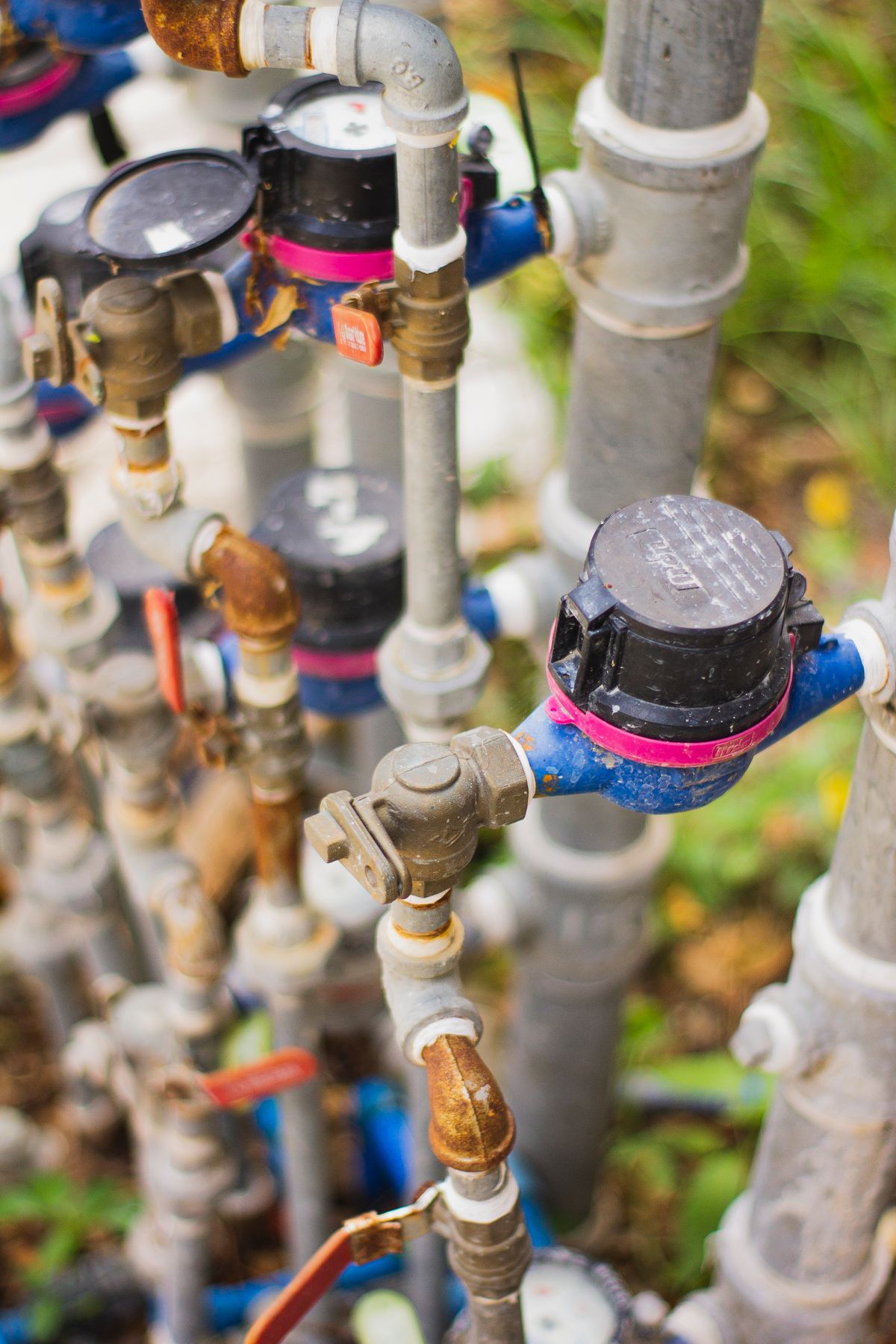
Often the real answer is a pool or a drip zone, which is why they are checked first. Hard caliche layers are common in the ground around slabs. That is worth knowing before any opening. Water use at home is the first thing we sort out: the meter, the irrigation controller and the pool tell us whether the slab is the place to look.
We cover 13 ZIP codes in Mesa, and crews also work nearby in Gilbert and Tempe. A call from Mesa goes to the team that handles Maricopa County. What people in Mesa notice first is usually the bill or a warm spot. If your address is nearer to Paradise Valley or Scottsdale, the same checks apply and the same line takes the call.
Mesa by housing era
Mesa is large and its housing varies widely by neighborhood. Central and west Mesa have many 1960s and 1970s slab homes and older ranches; the east and southeast have 1990s and 2000s subdivisions in associations; and the far east has newer construction.
That spread is why we ask for the year built first. A 1970s block home with original copper and a 2005 tract home with a different supply line fail in different ways.
Pools, irrigation and the bill
Many Mesa lots have a pool and a drip or flood irrigation system. Either can account for a rising water bill or a moving meter, so we rule both out before pointing at the slab.
Older parts of Mesa may also have long yard lines to detached garages or casitas.
Older Mesa: copper and repeat pinholes
In 1960s to 1980s homes, copper under the floor has been in service a long time. A second or third pinhole in the same house is a common reason for a call, and it often leads to a conversation about rerouting or repiping.
The technician locates the current leak first, then explain the options in plain terms.
Newer Mesa: associations and PEX
Newer subdivisions are often in associations, and some use plastic supply lines. The meter check works the same way, and the technician locates the leak with acoustic, pressure and thermal methods.
Tell us whether your association needs notice before work.
Ground and access in Mesa
Desert soils and caliche layers affect how hard access is. The technician finds the leak before opening anything so the opening is as small as the leak allows.
Tile over slab is typical, and we plan around the floor covering.
What Mesa homeowners ask first
Most Mesa calls begin with a high bill or a warm floor. People often assume the slab, and sometimes they are right, but yard and pool causes are as common here as in any Valley city.
We take the meter reading and the year built over the phone, then plan the visit.
Mesa neighborhoods and the likely line
Older Mesa near downtown has copper lines from the 1960s and 1970s. The middle of the city has 1980s and 1990s tract homes, and east Mesa is newer, with plastic supply lines more common in recent builds.
Matching the likely line to the house age saves time at the location stage.
Shared walls, townhomes and 55+ communities
Mesa has many townhomes and active-adult communities. Shared walls and common areas mean notifying neighbors or an association, and some homes sit empty for part of the year.
Tell us about your community when you book, and we plan around it.
Isolating hot, cold and outdoor lines
Narrowing the cause like this lets us search a short run of pipe and not every line in the house.
Each section is isolated and checked on its own: outside line, cold, then hot.
The gauge test
The result names the line and not the position, which is why listening and thermal steps come after.
The warm floor tile
A tile that feels warm, or a patch of floor that stays warm when nothing else does, can mean hot water is escaping under the slab and heating the concrete above it.
Three checks before anything else
Repeat the read and shut-off cycle until one step accounts for it.
Slab leak detection in Mesa
Let us know if the meter keeps turning with nothing running.
Meter Still Moving? Talk to a Leak TechMineral wear in older lines
In Maricopa County, as in much of the state, the water is hard. Given enough years, it can wear metal lines thin enough for a pinhole to open. The technician locates the leak and leaves water treatment to others.
Options once it is found
The leak gets marked, the options are laid out, and then you choose.
ZIP codes we serve in Mesa
Mesa slab leak questions
What happens on the day the technician arrives?
The technician asks what you have noticed at your Mesa home, reads the meter, then isolates and tests the lines. When the leak is marked you see where it is and what the options are before anything is opened.
Will you give me a price on the phone?
The contractor sets the price and quotes it before work starts. Ask for the quote in writing. The figure depends on the repair option you choose once the leak is located, so a number over the phone would only be a guess.
Can a slab leak happen in a newer home?
Yes. Newer Mesa homes can leak at fittings, bends or where a line was damaged during building. The location method is the same as for the older homes that make up a good part of the city.
Can one leak be on the hot line only?
Yes. Hot and cold lines are tested separately, and a warm patch on the floor often points to the hot line. That separation is why each line is tested before anyone decides where to open.
What is a pinhole leak?
A tiny break in the wall of a pipe that weeps slowly. In the metal lines common in Mesa slab homes built before 1990, it can run for a long time under the floor before anything shows above.
Is a hissing sound in the walls always a slab leak?
No. A running toilet or a fixture can make similar sounds. The meter check with everything off separates them, and it takes only a few minutes at the house.
Could a running toilet move my meter?
Yes, a toilet that runs on can move the meter slowly. Listen at each toilet in the house; if one is running, that may be the whole story and no floor needs opening.
Are most homes in Mesa on slabs?
A good part of Mesa was built before 1990, on slabs, with the plumbing running beneath the floor. Some homes of this age have been partly repiped already, so the first question is what is original and what is not.
Does Maricopa County change how a leak is found?
Maricopa County does not change the method. In Mesa the technician isolates, pressure tests and pinpoints the same way, and the hard caliche around slabs only affects how the spot is reached.
Slab leak repair and replacement services in Mesa
A Mesa slab leak that traces to one failed joint or section is normally a repair. Replacement, by reroute or repiping, becomes the better route when the line keeps leaking or is near the end of its life. The crew shows you where the leak is and what each route involves before you choose.
Ready to find the leak?
Let us know what you spotted first and when.